2025 Garden Update

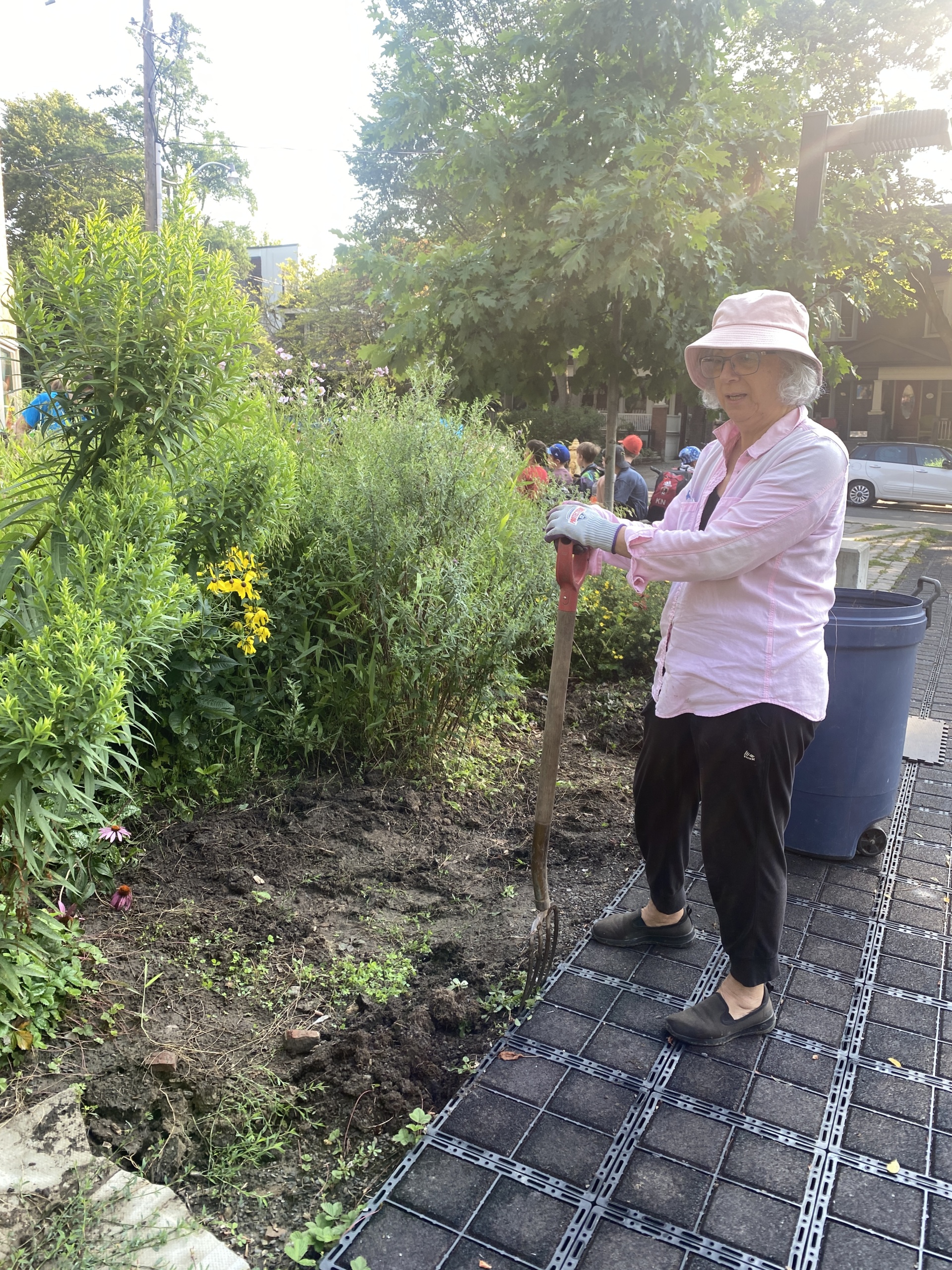
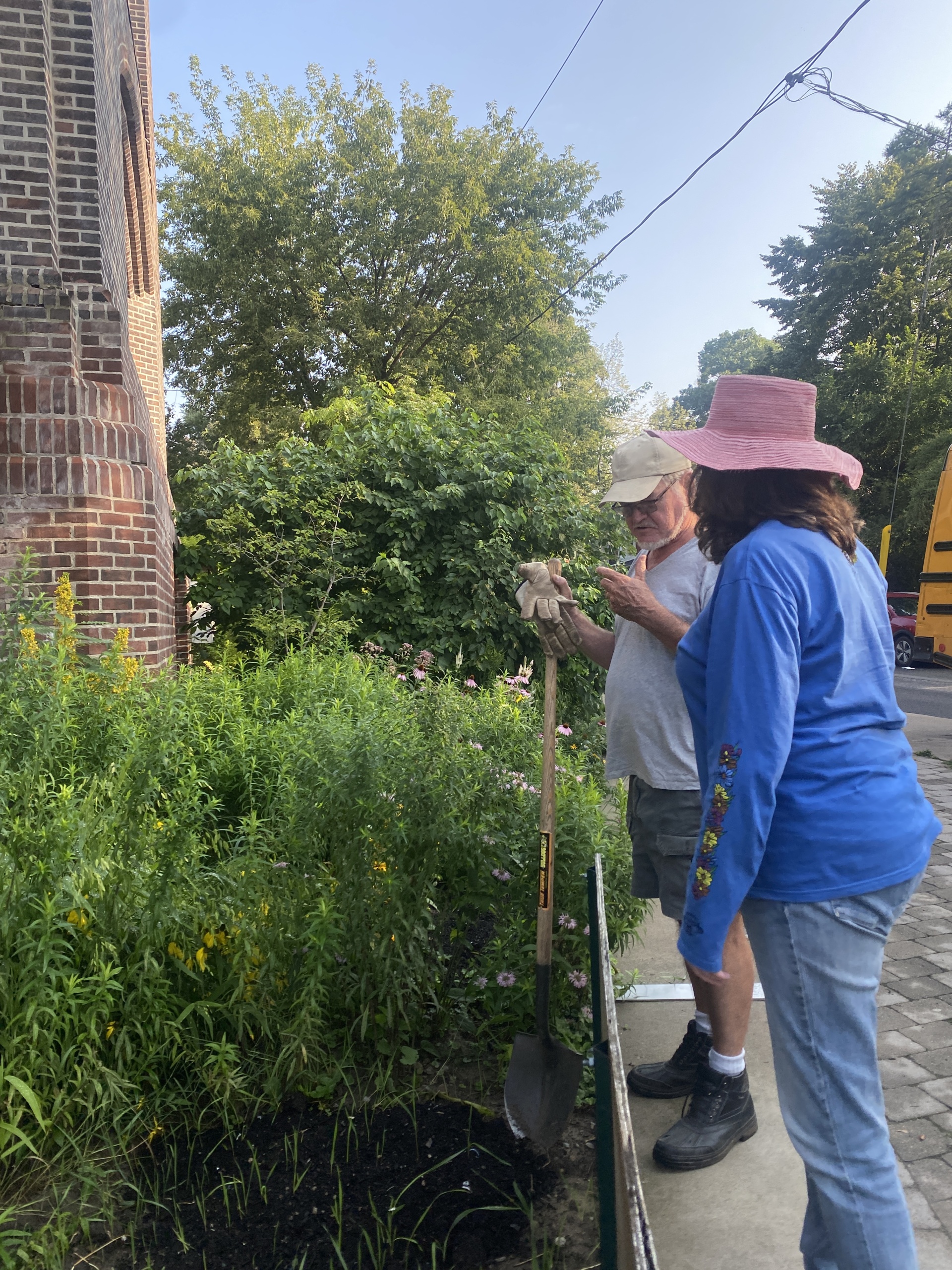
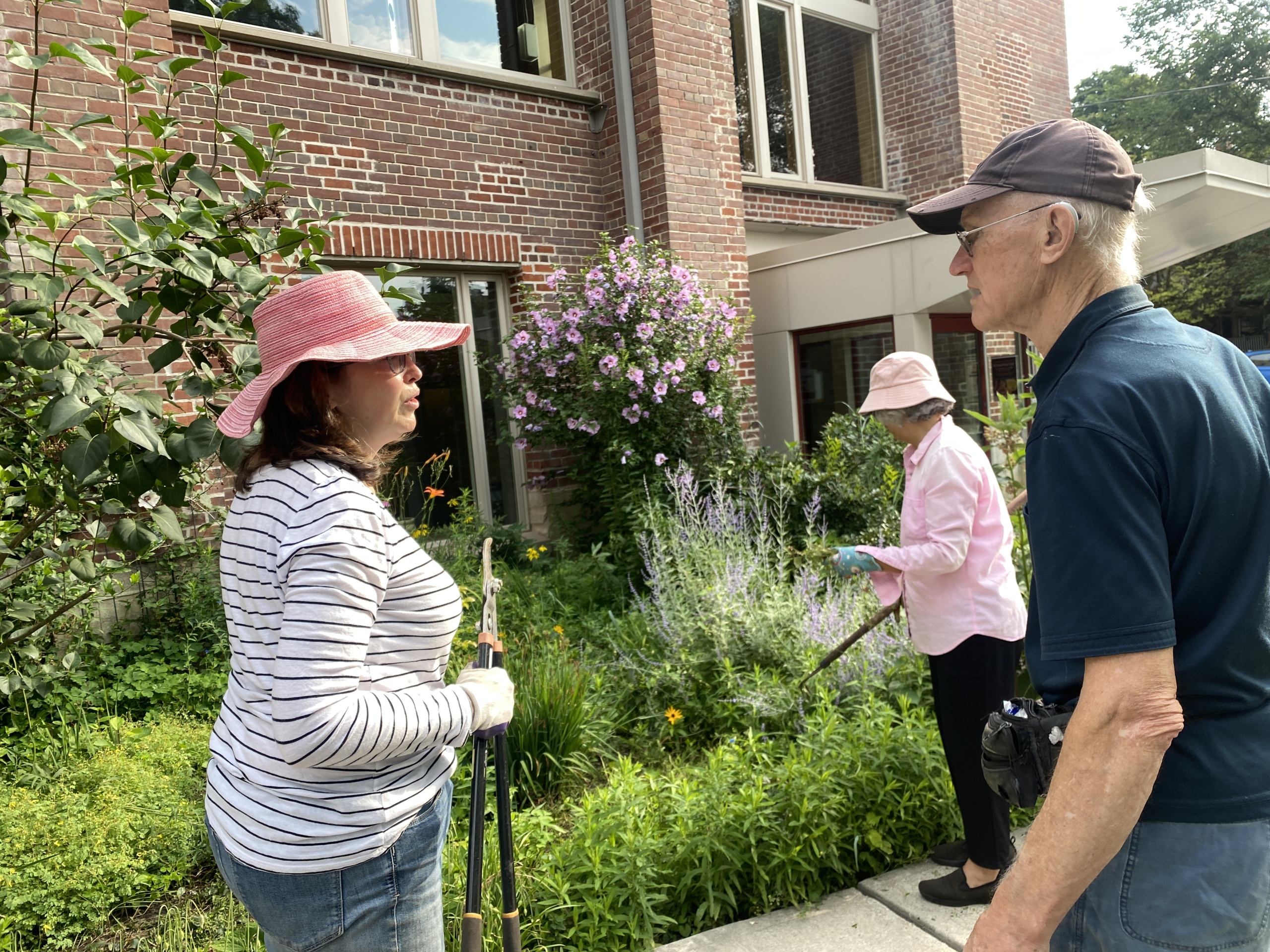
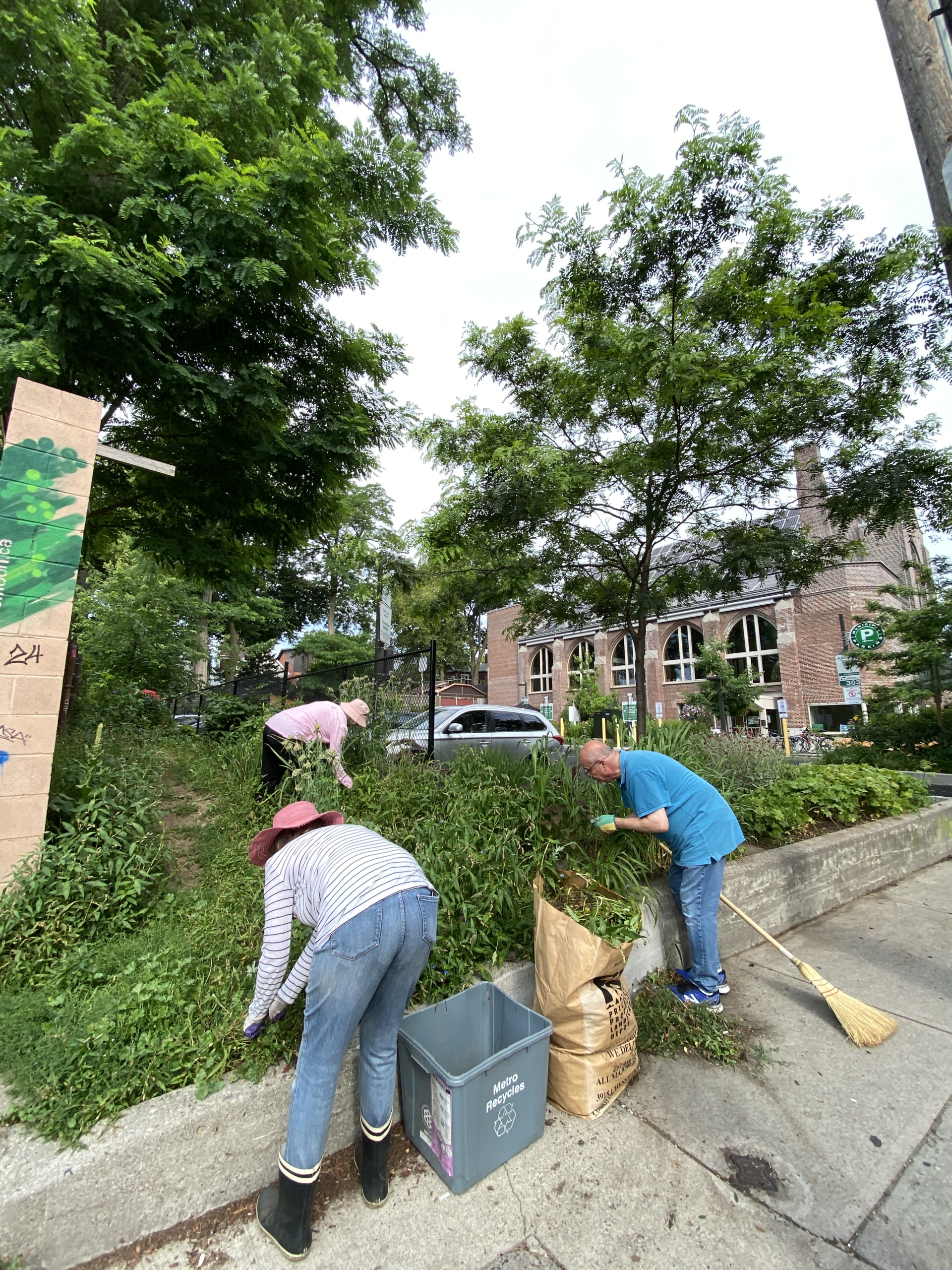
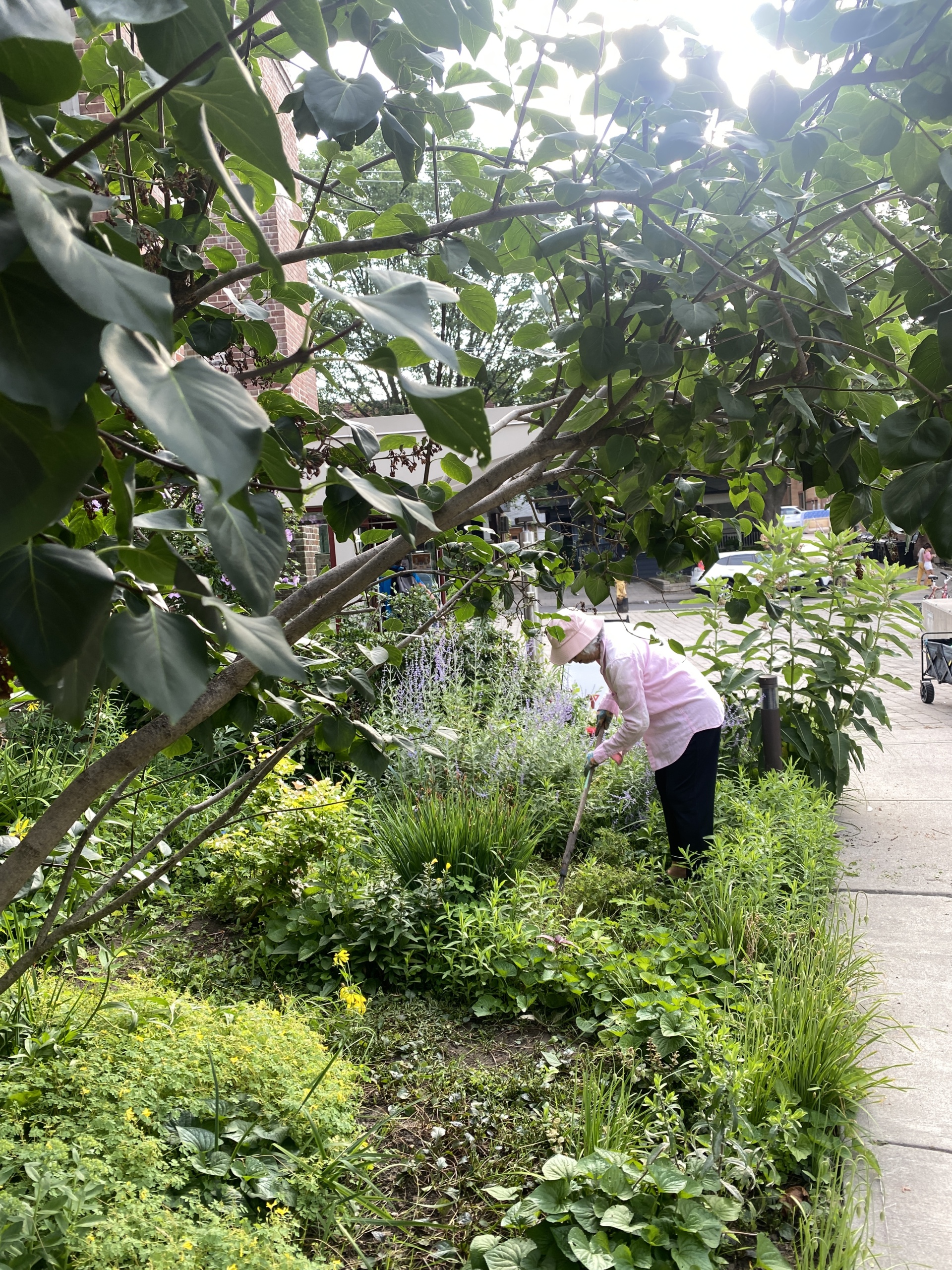
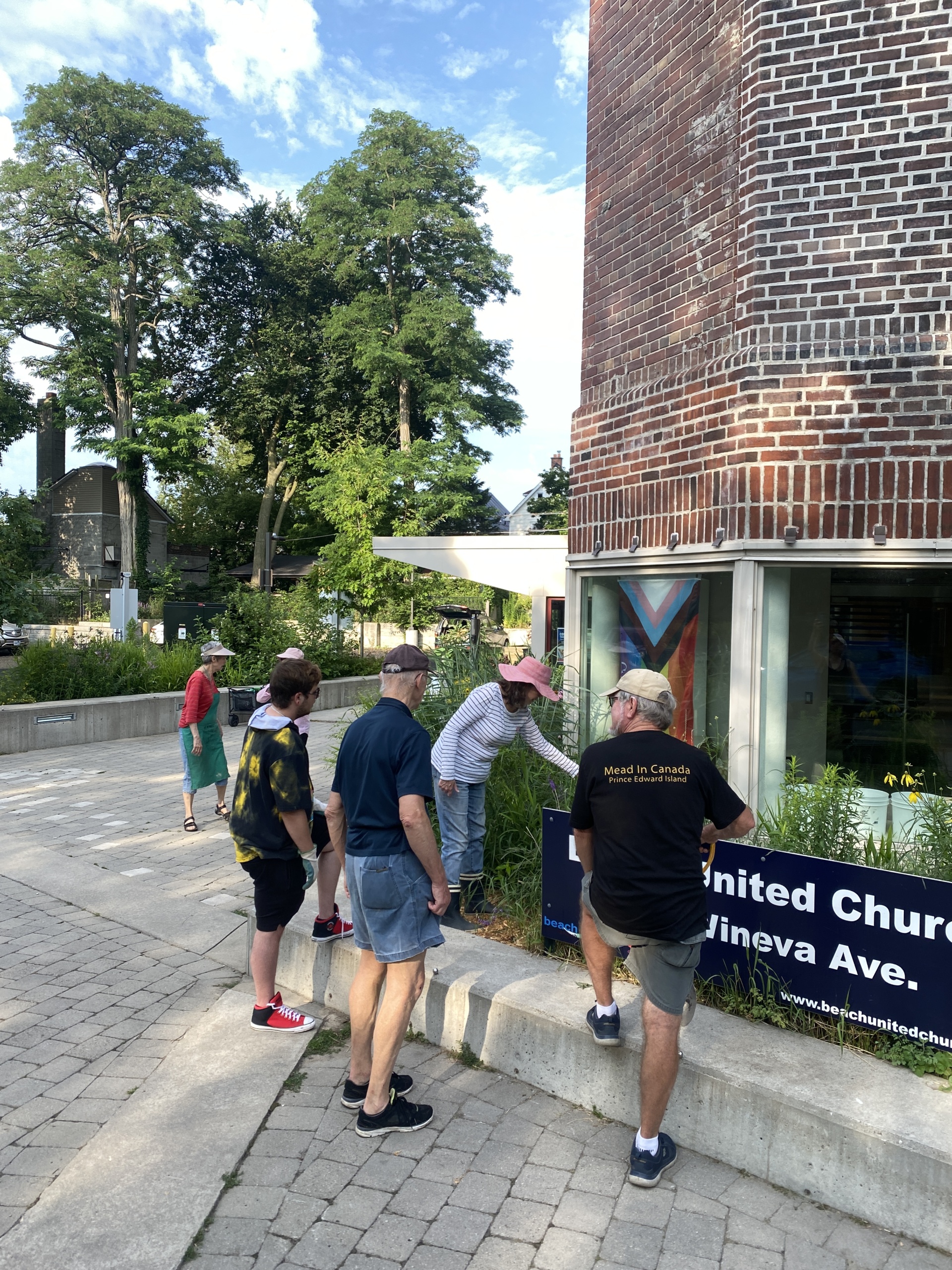
As our 2025 gardening season comes to an end at Beach United, we wanted to share some photos and updates with our community! We will have one final Gardening Group meeting on Tuesday, September 23rd from 8am-10am before we take a break until Spring 2026. As always, anyone is welcome to drop in between those hours and volunteer with us.

Welcome Garden
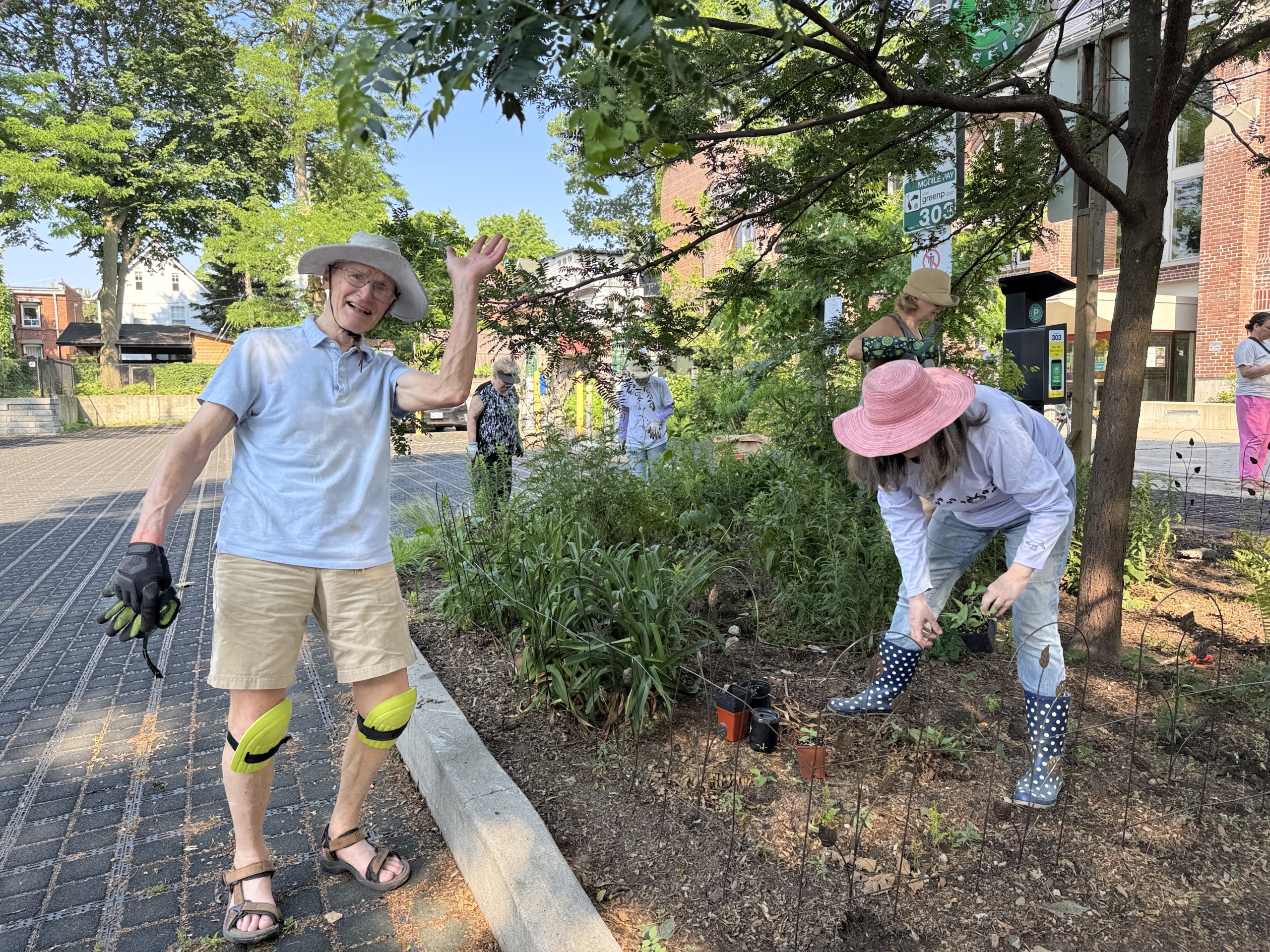
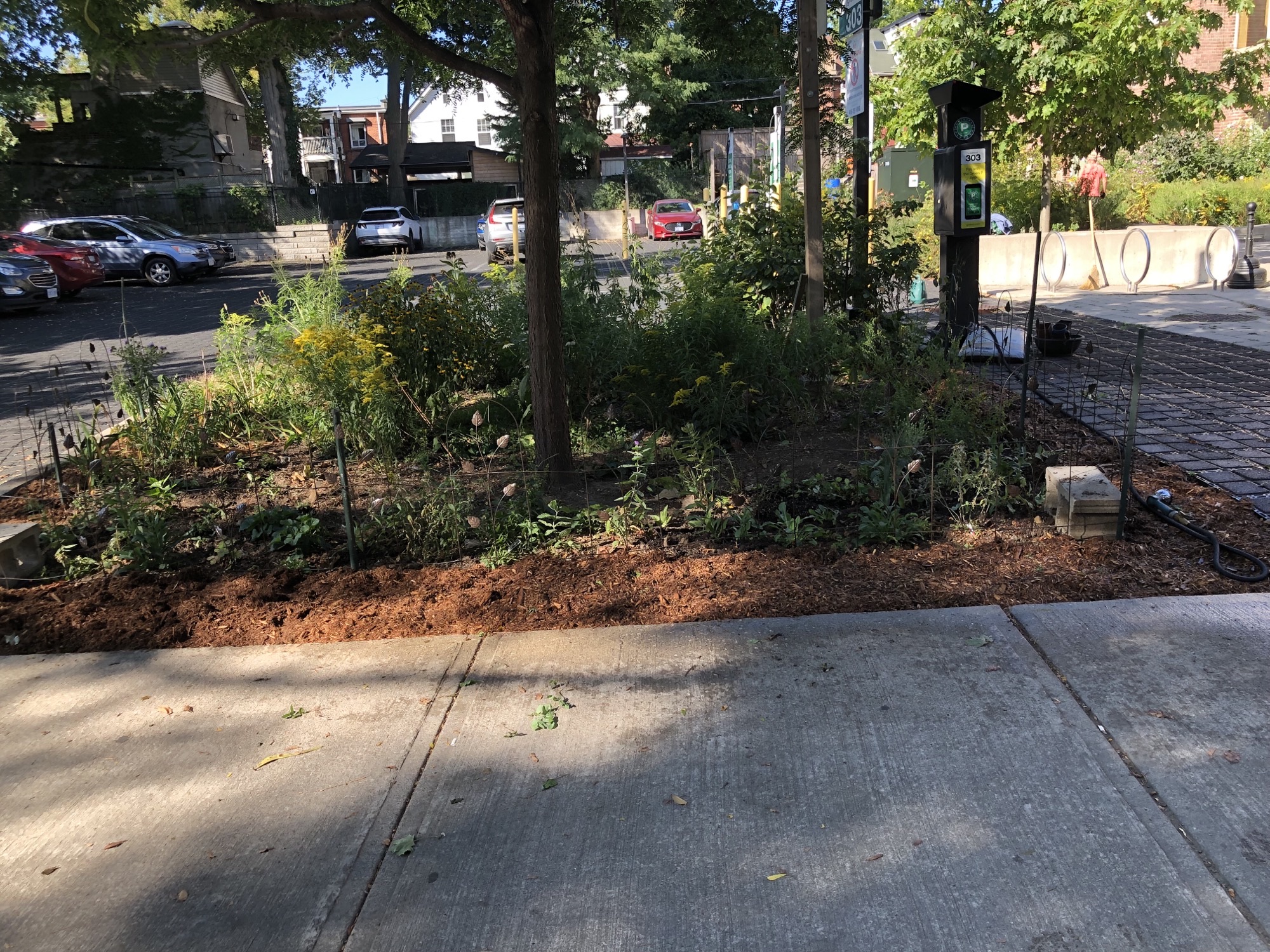
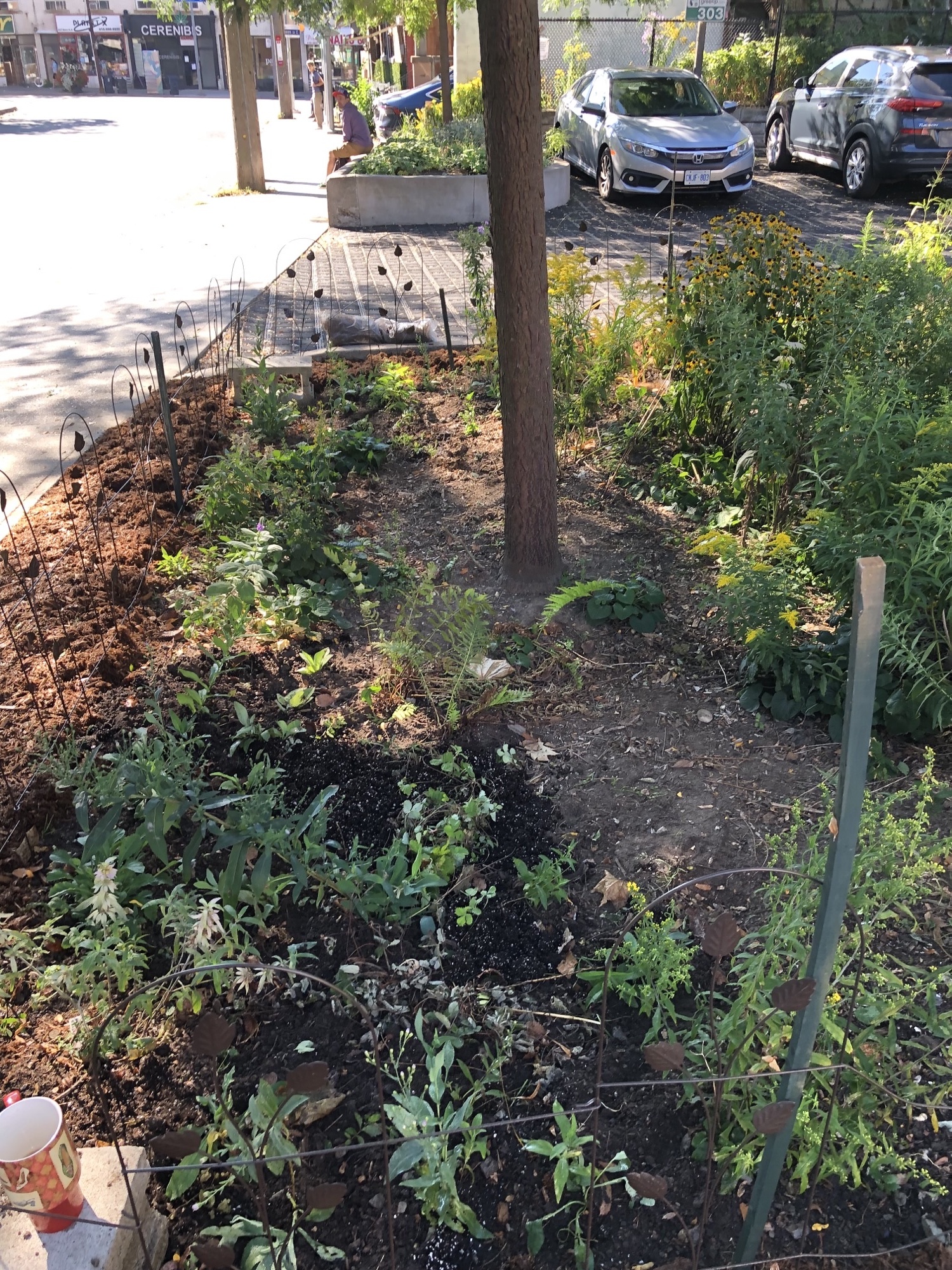
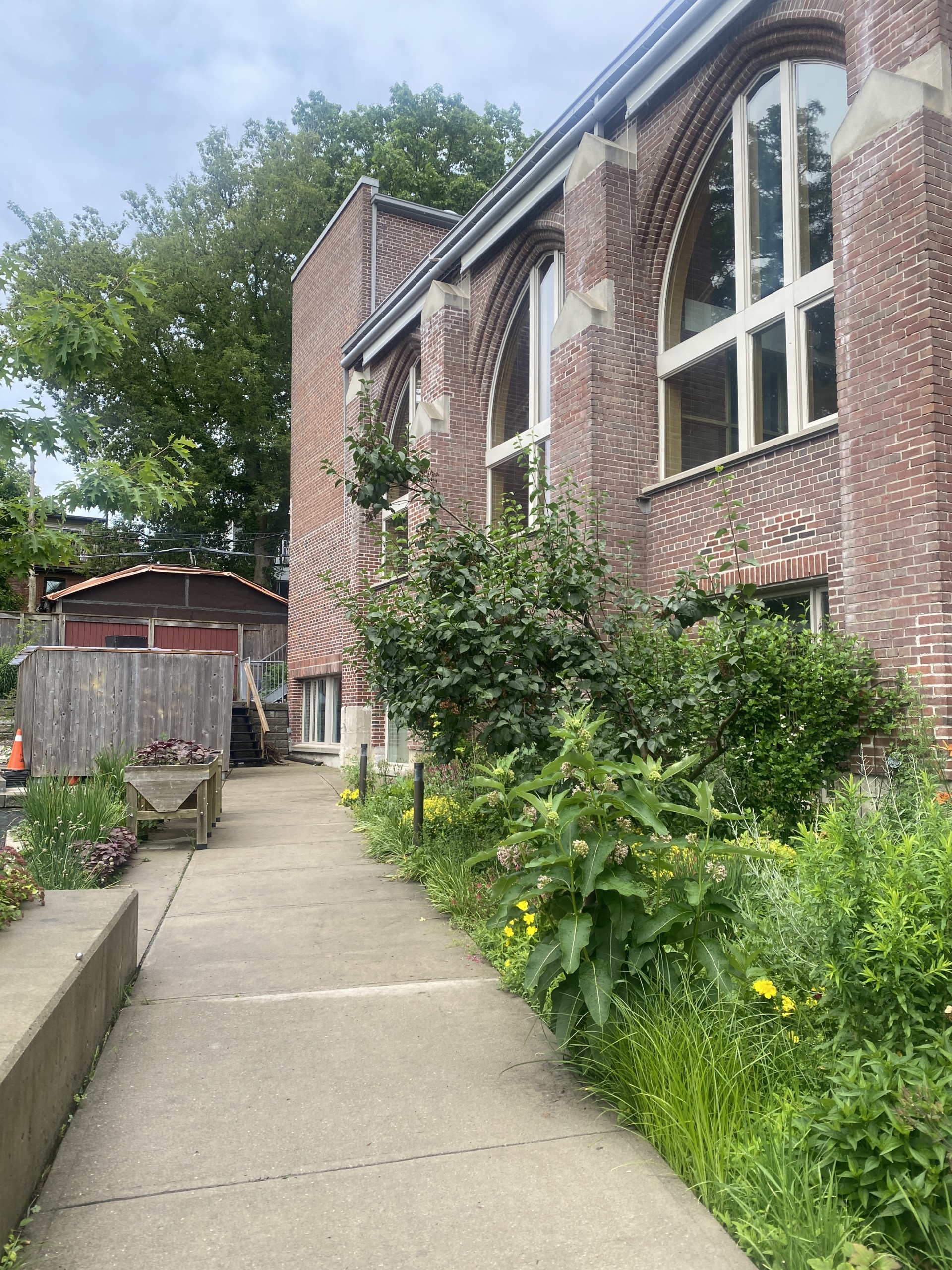
Substantial work has been put into what we are now calling the “Welcome Garden” – the portion just north of the driveway into the parking lot.  

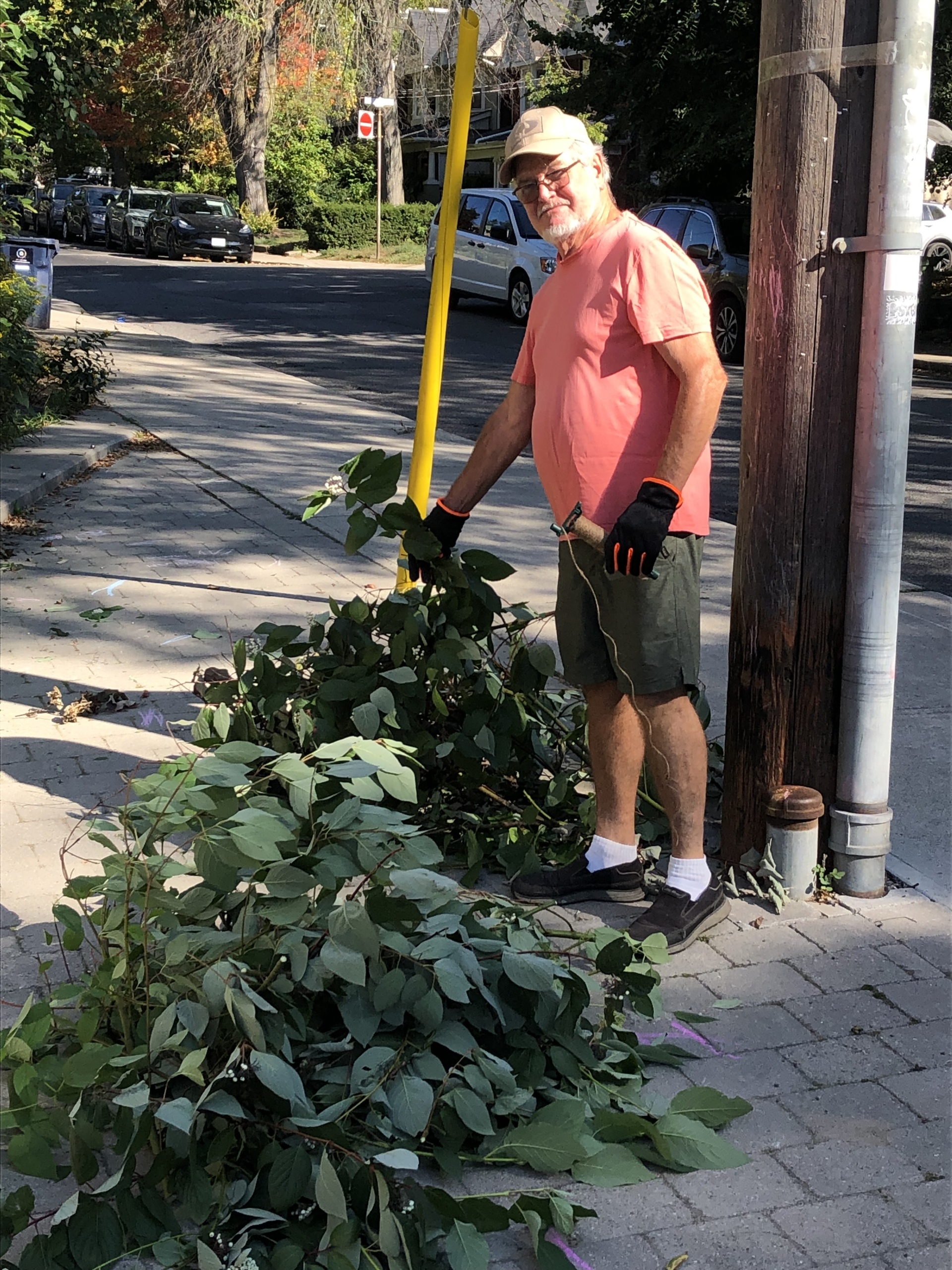
Previous plantings had been very successful – too successful!  The wild roses and Burning Bush Euonymus had overgrown their space and were proving both a sight line hazard for cars exiting the parking lot and crowding out other lower growth plants. 

First replacements put in last year (2024) had been trampled during fall and winter and had to be themselves replaced this spring, but only after first installing a decorative fence, for protection.
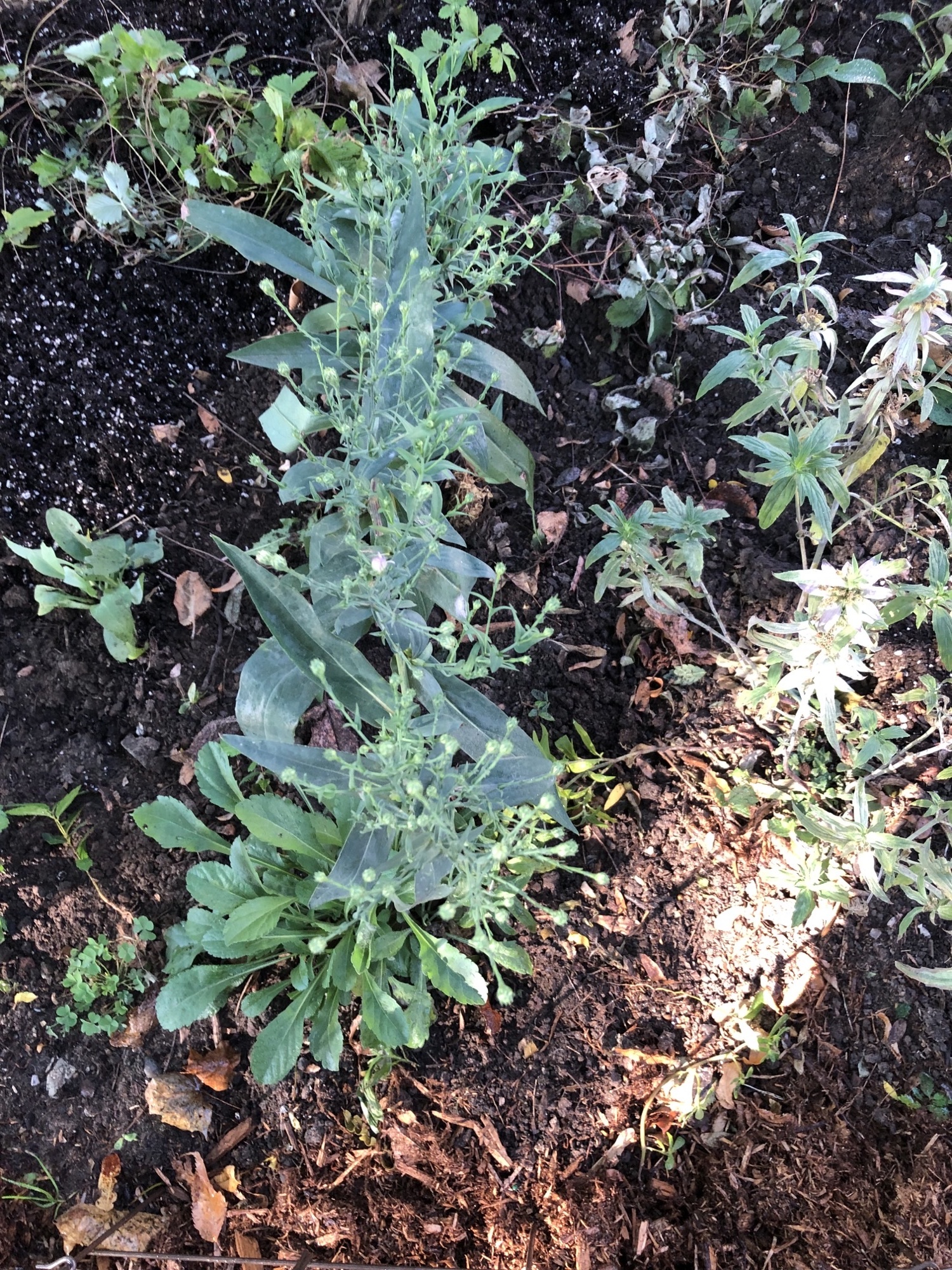
New additions include Northern Bush Honeysuckle- asters, goldenrod and Hoary Vervain – all of which are native plants that support native birds and insect life.

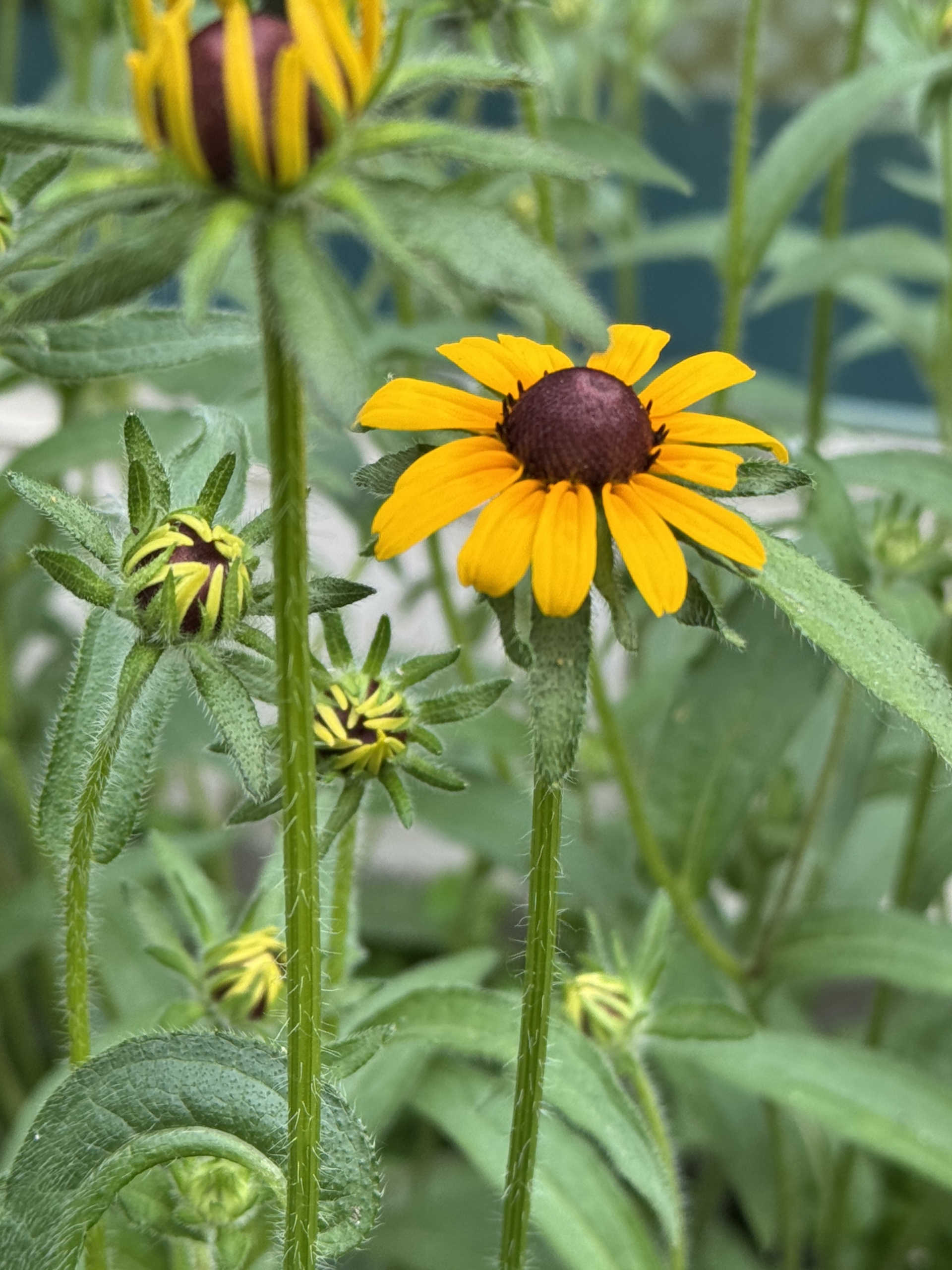
Also planted there are Columbine (for spring flowering), cone flowers (for summer colour) and ferns for low level greenery. 

We could plan to winter sow more plants for the Welcome Garden with the Sunday School again this year. Some ideas would be to add plants that like dry shade, like Hairy Beardtongue and Heart Leaved Asters. Cathy could supply the seeds, containers and soil. Each of the plants that we add to the Beach United Church garden provide food for the entire life-cycle of pollinators, so they have flowers for the adult butterfly to feed on, and are a host plant to butterfly larva. An example is milkweed, which feeds Monarch larva and its flowers feed all adult butterflies. Many native flowers and trees and shrubs are host plants to different butterfly and moth larva. Our goal is always to plant as many of these as possible to support biodiversity. 

Replanting the construction zone 

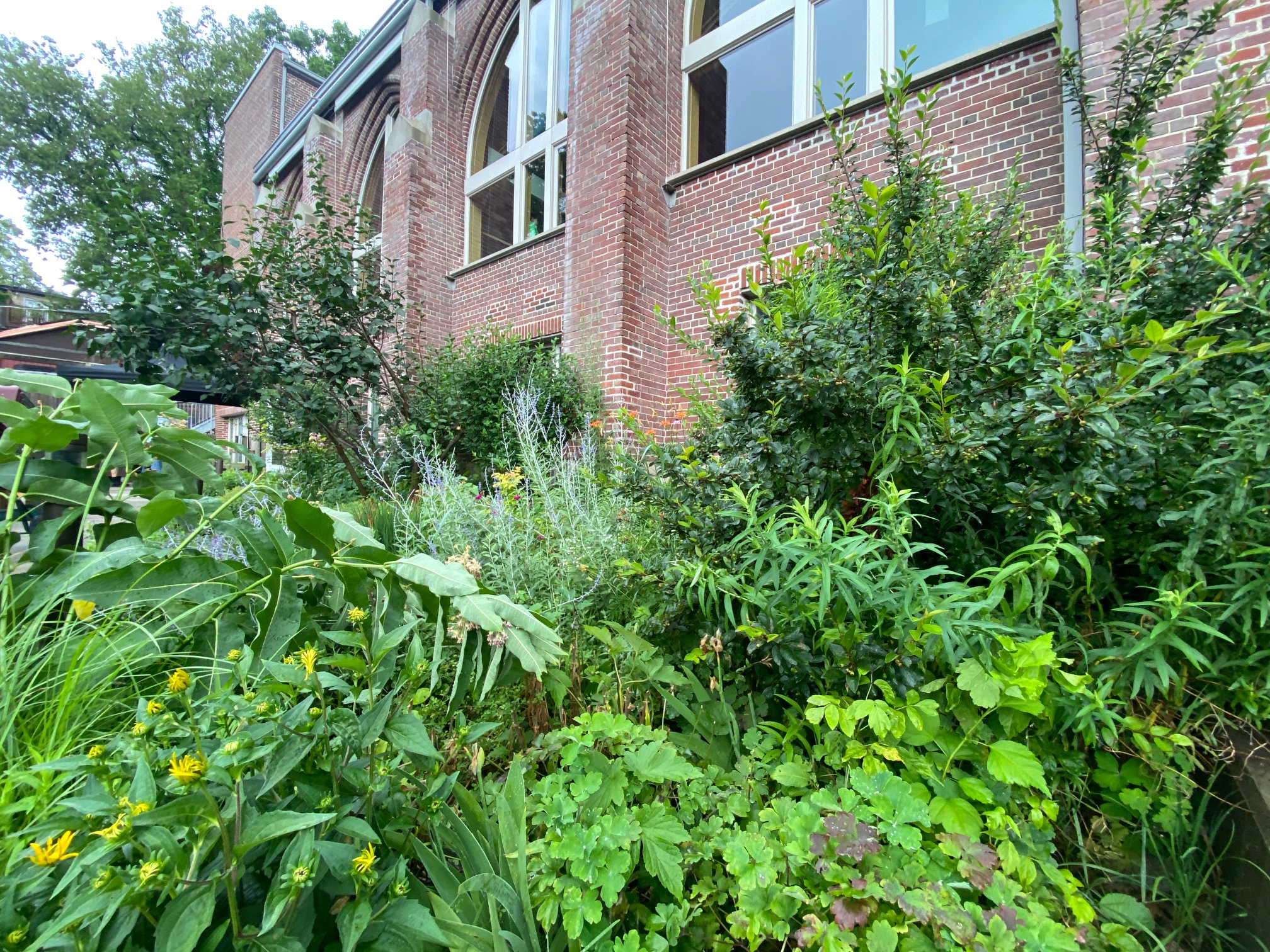
Last year, there was extensive construction work along the east wall of the church – although the construction crew attempted to minimize plant damage, a lot of plants in this area unavoidably suffered. 

We put in new plants including Hairy Beardtongue, Purple Coneflower, Pale Purple Coneflower, Gray Goldenrod, Zigzag Goldenrod, Wild Bergamot, Dense Blazing Star, Wild Columbine, Swamp Milkweed, Butterfly Milkweed and Scarlet Runner beans beside the lounge window. The Sunday School children winter-sowed most of the new plants at the New Year’s Day church service in 2023. 

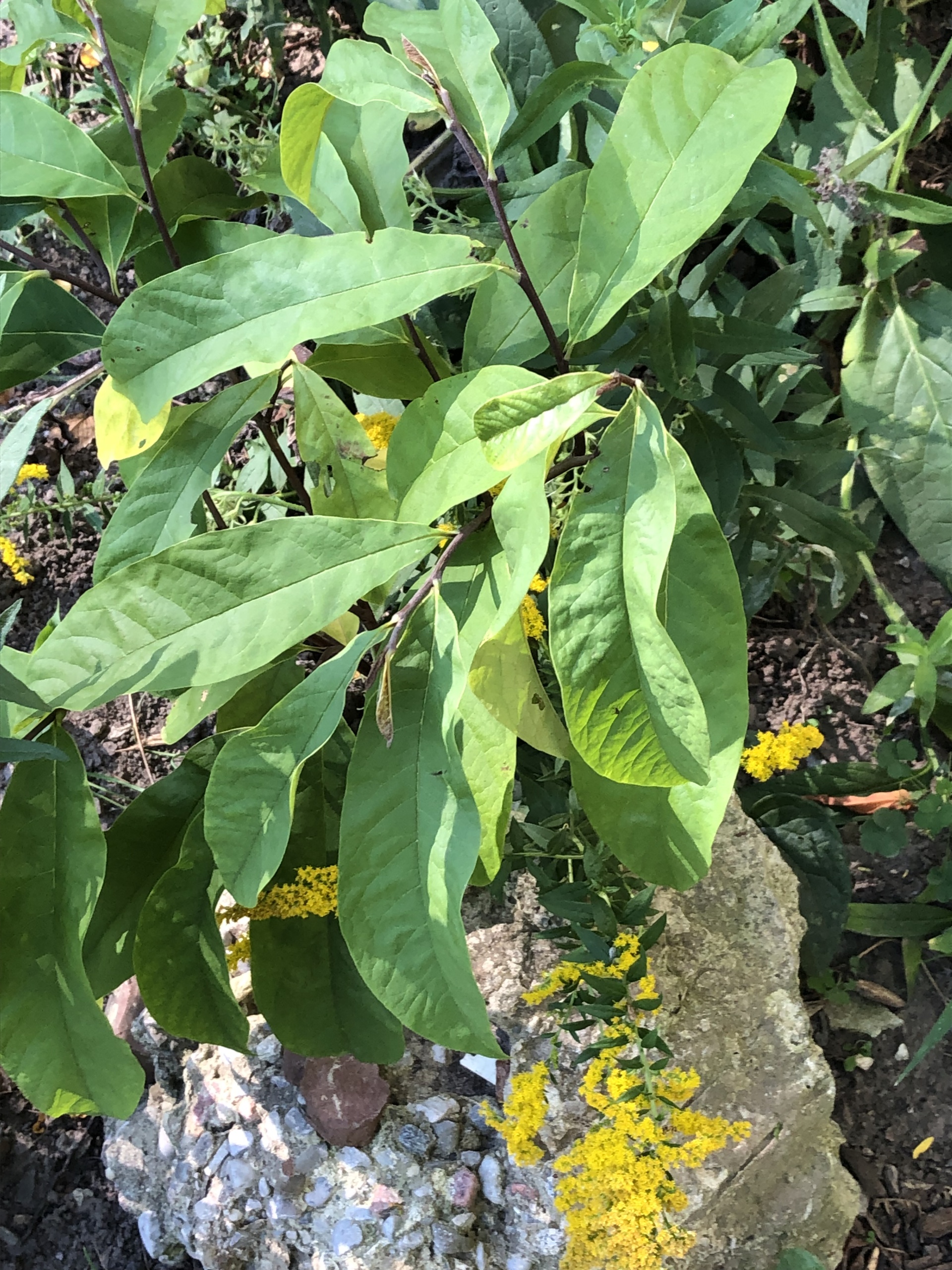
Not requiring replacement – the Paw Paw tree first planted by Matt Canaran (which suffered some damage but is growing!) is now accompanied by a second Paw Paw tree to allow fertilization.  As mentioned elsewhere in the garden section of the website, these trees used to be native to Southern Ontario ,but have been much less common.  Restoration efforts of our native ecosystems, including planting Paw Paw trees, has resulted in the return of a previously common butterfly the Zebra Swallowtail butterfly that had not been seen in Ontario since 1896. It was spotted in High Park for the first time since 1896.The Paw Paw tree is the host plant for the Zebra Swallowtail larva. It is effectively the Zebra Swallowtail butterfly baby food; you need the baby food to get the adult butterflies. 


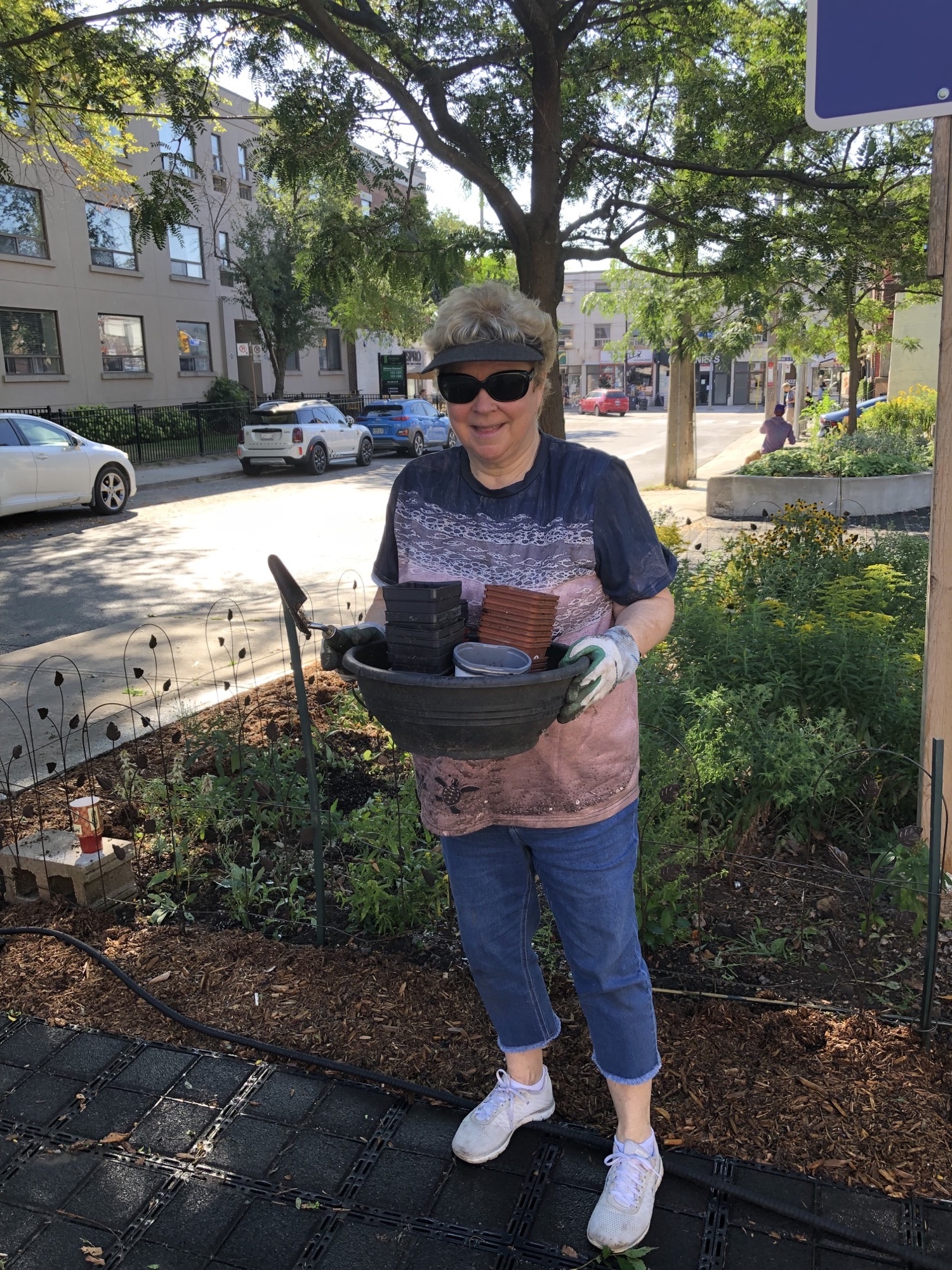
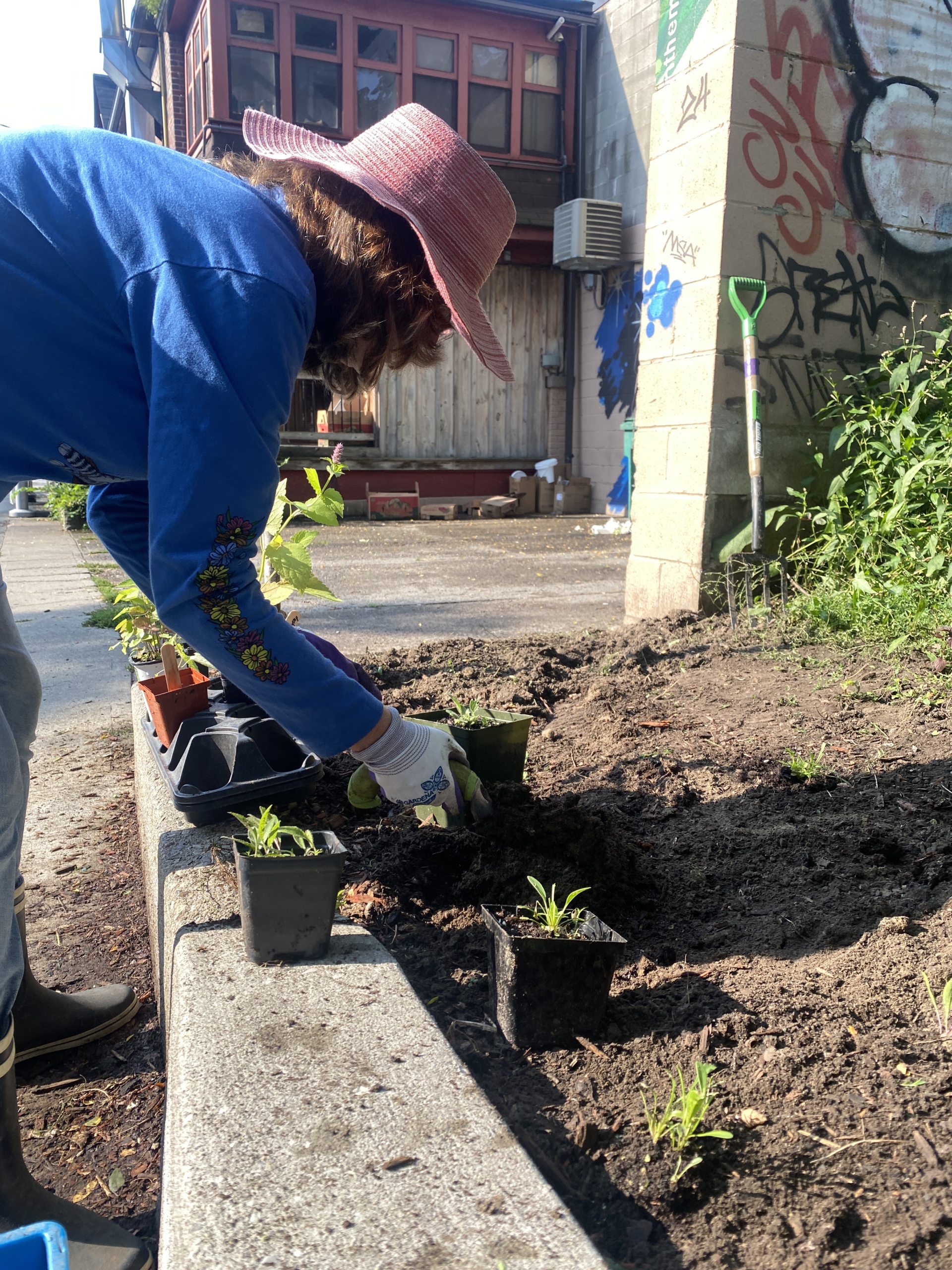
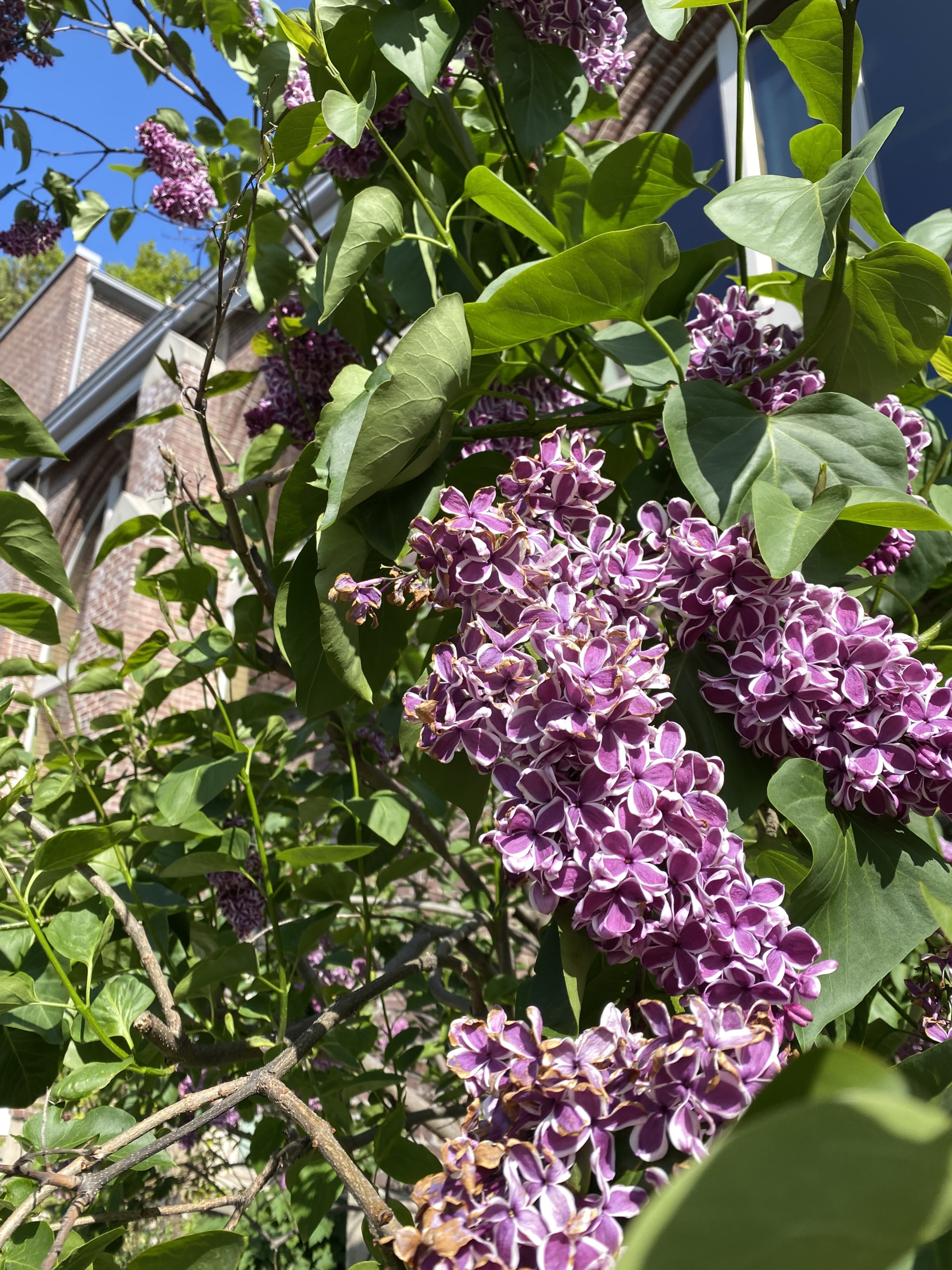
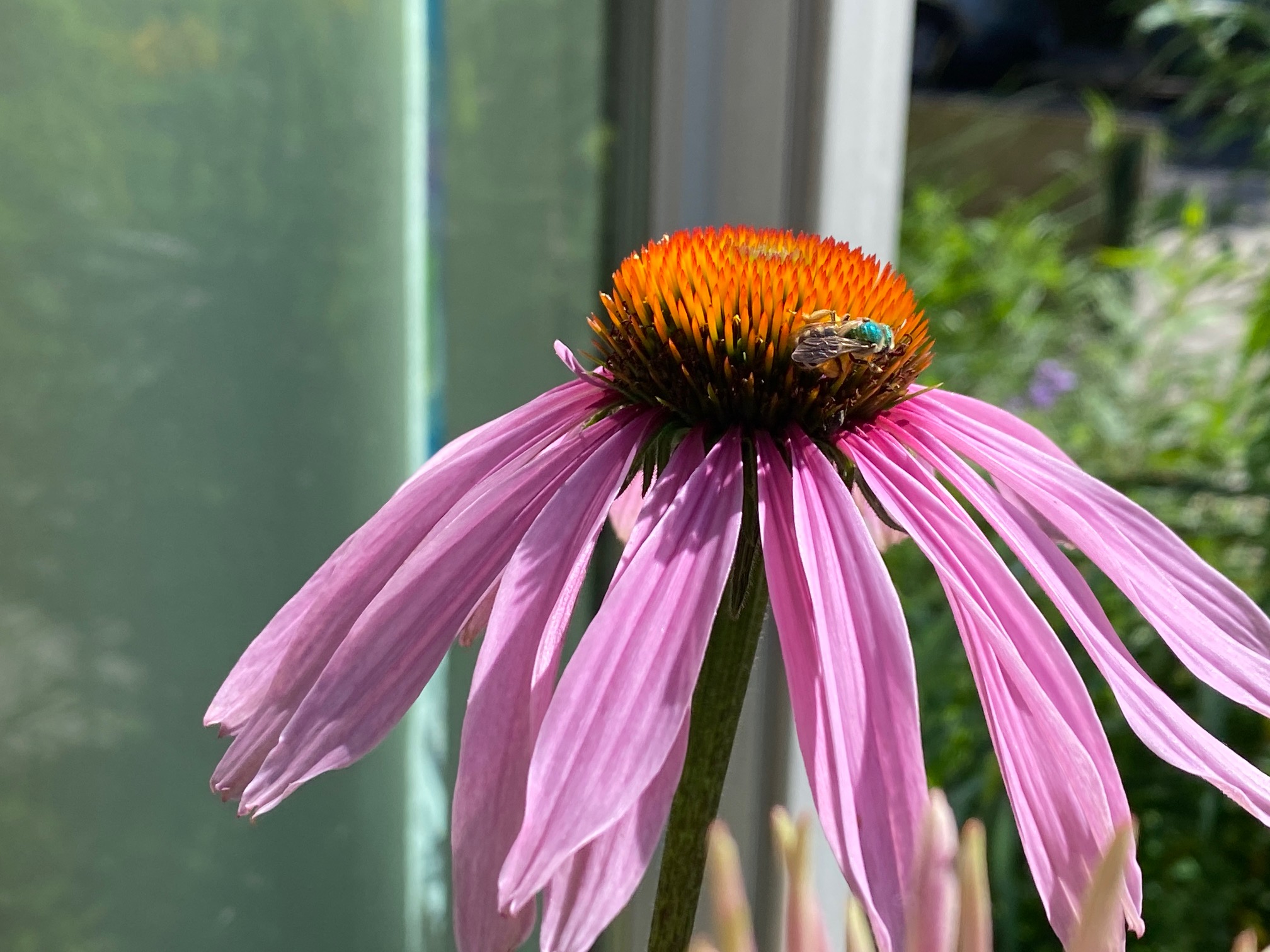
Thank you so much for reading! For more information on our Gardening Group, please visit their section of our website. Below are photos from throughout our 2025 Gardening Season.

Gardening Group Schedule

Spend some time in our garden with us, learn more about native plants, and meet new people! One of our goals is to increase the biodiversity of our green space by planting and nurturing native species and pollinator plants.

Upcoming Schedule:
Tuesday, August 27 – 8am-9:30am
Tuesday, Sept 10 – 8am-9:30am
Tuesday, Sept 24 – 8am-9:30am

Anyone is welcome to drop-in; no experience necessary!

To read our end-of-year report for our 2023 gardening season, please click here.

Beach United Garden

Beach United Garden – 2023 Year in Review

Beach United Garden

In 2023, the church garden and its maintenance team went through a major transition, as both Matt and Sally took a well-earned rest from it and a new team started to find its way to care for the colourful garden initiated and developed by Sally and Matt over many years. 

Over the course of the spring/summer and fall period, new and returning volunteers, both from the congregation and the wider community, came along to help the transition.  

The contribution of the Church’s  office staff should also be acknowledged, for invaluable help with communications, and stepping in to help with watering and clean up when required. We also acknowledge the following donations: 

  • Mulch – thanks to Paul and Jerry
  • New fence along the “Bus Stop Garden” – thanks again to Jerry
  • Garden equipment, thanks to Sally,  – Many new plants, thanks to Cathy

2023 Developments

  1. Regular Maintenance:  This was the major job for the year , there are a lot of beautiful plants , almost all of which need attention , and which when properly attended to lead to a lovely result.  To choose just one example , the picture to the right shows one of the Roses of Sharon in full bloom is late summer.  But, every one of those branches , on all four plants, has since required pruning, and the resulting cut off branches cleaned up and disposed of.  
  2. Bus Stop Garden: This is the south-east corner near where people wait for the Main Street bus.  Its location makes it vulnerable to being trampled.  Cathy and other volunteers re-planted the area with  a number of native species that like dry, sunny spots;  Jerry’s contribution was to install a new fence to protect the plantings
  • Gray Goldenrod (used by 120 species of caterpillar as a host plant) and an important late season food source for bumblebees and Monarchs on their journey South.
  • Pale Purple and Purple Coneflower (host plant to checkerspot butterfly larva)
  • Lance leaf Coreopsis (host plant to checkerspot butterfly larva)
  • Hoary Vervain (host plant to Common Buckeye butterfly larva)
  • New England Aster (host plant of the Pearl Crescent and several checkerspot butterfly larva)
  • Matt’s Yucca plant (a non-native, exotic, but not invasive plant)

3. Beach United Garden Tour – The Bus Stop Garden and two other locations have a post with a QR code, which connects to a section of the Church website with a description of the plants in that part of the garden. Post #1 is in the area outside the office window.  Clicking on the QR code brings up information on the hop tree, an endangered native Ontario species which Sally originally planted many years ago. It  is now thriving and for the first time last summer was in full flower for a couple of weeks.

Garden Tour Post #1 / Garden Tour Post #2 / Garden Tour Post #3


2023/24 Winter Planning 

  1. Sign-up sheets:  A winter task just getting started is to plan the maintenance tasks with a timetable for garden activities and setting dates. This is a model used by other community gardens – sign-up sheets shared in early Spring, refreshed on an ongoing basis as needed and remaining open for people to drop in.
  2. Seeking additional resources: One possibility being actively followed up in conjunction with gardens in other Toronto ridings is participating in a  “caterpillar count”,  a Canada Summer Jobs project.  Beach United has signed up for requesting funding for 2 students who would work in the garden for short period of time during the summer of 2024.  

Hopes and plans for 2024

Along with regular maintenance, a key objective for 2024 will be to undertake projects that will help make the garden more self-sustaining using native plants where possible and encouraging plants which enhance insect and bird life.  

Related to this, and of particular importance, is to continue efforts addressing the problem of non-native  invasive species in our garden. An example is along the west wall of the parking lot where invasive Garlic Mustard will be replaced by shrubs like Fragrant Sumac, Northern Bush Honeysuckle, and Goldenrod, all of which have the added benefit of requiring less pruning.

The Fragrant Sumac is one of the plants to replace the Burning Bush along the Wineva Avenue sidewalk by the car-charging station. Others in the area include Purple Lovegrass and Little Bluestem. The Fragrant Sumac will put on an amazing fall show, support our native wildlife, and as a suckering shrub, will spread without requiring a lot of pruning.

Respectfully submitted to Beach United Church Board – Feb 3, 2024,
Cathy Byrne & Hastings Withers

If you’re interested in becoming a volunteer with our Gardening Group, please fill out our volunteer form. No experience is required! You may also stay tuned on our social media channels (Instagram & Facebook) and website for future meeting dates, and drop-in at any time!

Fall Gardening Group Schedule

New volunteers are always welcome to our gardening group – no experience required; both experienced gardeners and beginners are welcome! You are welcome to just drop-in for one of our sessions, or for as many as you would like!

Our current schedule is as follows:

Saturday, September 16, 8am-10am
Wednesday, September 20, 8am-10am
Saturday, October 7, 8am-10am
Wednesday, October 18, 8am-10am
Saturday, November 4, 10am-11:30am with light refreshments afterwards!

We want to thank all of our volunteers, and especially Catherine Byrne who brings both horticultural knowledge and experience in helping support and organize community initiatives.

We look forward to seeing you at one of our Gardening meetings!